
What Waiting Until Spring Actually Costs You
Here's the argument in one sentence: one of you wants to deal with the garage door now, the other wants to wait until the weather's better. Before you decide, know what "waiting" actually means around here. Federal Way winters bring months of steady rain, damp air that never fully dries out, and the occasional ice or wind storm. If the door has any exposed wood trim, panel edges, or a weather seal that's already cracked, that's four or five more months of moisture working into it. Moss and rot don't wait for a convenient time. A door that needs a $150 seal replacement in October can need a $600 panel repair by March. That's the real cost of "let's just see how it looks in spring."
What a Garage Door Actually Does for the House
The garage door is usually the single largest visible surface on the front of a house — bigger than the front door, often bigger than the windows combined. That's why it carries so much weight in how a home reads from the street. A faded, dented, or mismatched door drags down a house that's otherwise in good shape, the same way scuffed shoes undercut a nice outfit. Flip it around: a clean, well-proportioned door in a color that actually goes with the siding makes the whole front elevation look intentional, even if nothing else has changed.
This matters for resale, but be realistic about how much. A new or well-maintained garage door won't single-handedly raise an appraisal. What it does is remove a red flag. Buyers and their inspectors notice garage doors because they're easy to notice — visible dents, sagging panels, exposed rust, a door that doesn't sit flush in the frame. None of that is expensive to the buyer, but it signals "what else got skipped?" Fixing or replacing the door doesn't add magic value; it just takes that question off the table.
What It Won't Fix
This is the part worth saying out loud before anyone spends money: a new garage door will not fix a cracked driveway, a tired roofline, or siding that needs painting. If the house has bigger issues, a beautiful garage door next to them just makes the contrast more obvious. Curb appeal is a system, not a single upgrade. If the budget is tight, the honest move is to ask which element is dragging the whole look down the most — and for a lot of Federal Way homes with older wood-panel doors that have taken on moisture damage over the years, the garage door genuinely is that element.
Repair, Refresh, or Replace — The Honest Breakdown
Not every argument needs to end in a full replacement. Here's how to think through it:
- Repair makes sense if the door's structure is sound but something specific is wrong — a bent track, a worn spring, a panel dent from a bump. National price ranges for common repairs like spring replacement or panel fixes typically run a few hundred dollars, far less than a new door.
- Refresh is the middle option people forget about: pressure-washing, sanding and repainting a wood door, replacing weatherstripping, or swapping outdated hardware. This can change the look dramatically for a fraction of replacement cost, especially useful if the structure is still good but the finish is dated or water-stained.
- Replace is worth it when the door is rotting from the inside, the panels are warped from years of damp exposure, or the style is badly out of step with an updated house (old raised-panel wood door on a modern remodel, for example). This is also the point where you can pick insulated steel or composite options that shrug off the wet-cold cycle a lot better than older wood doors do.
If you're trying to settle the argument with numbers, start by having someone look at the door honestly: is this a cosmetic issue, a mechanical issue, or a structural one? That answer decides which column you're in — not personal preference.
When to Call Federal Way Garage Door
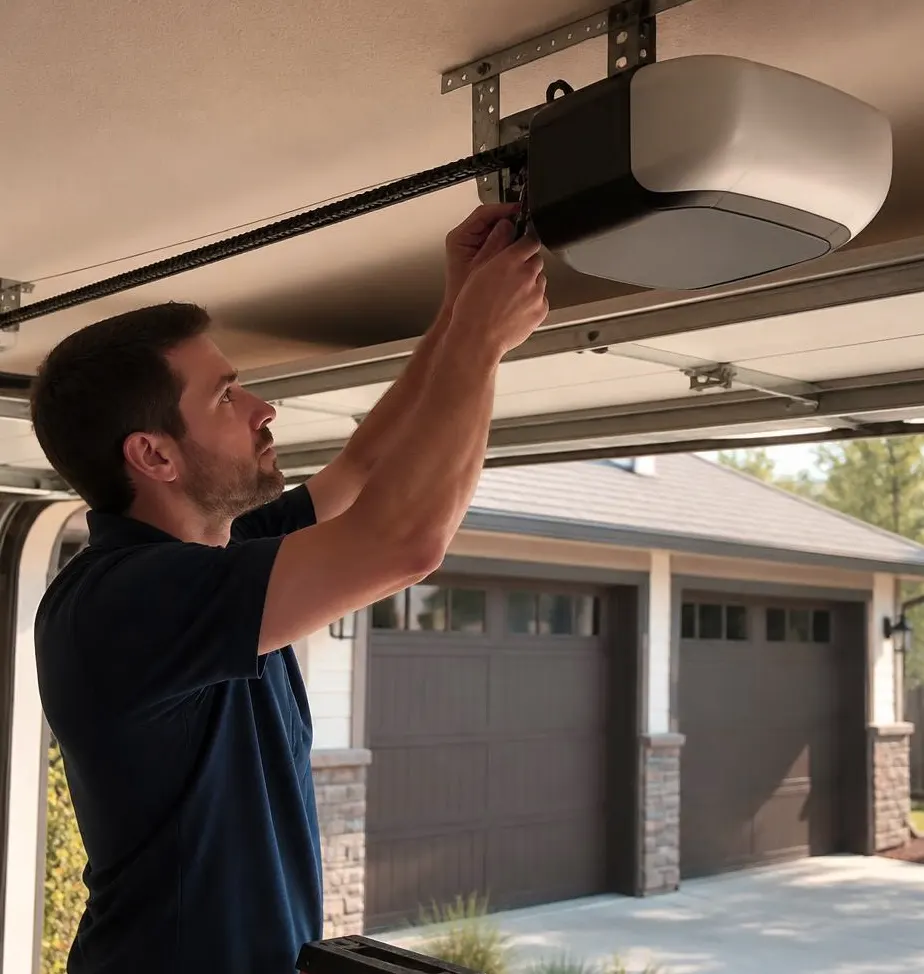
If the disagreement is really about whether the door is salvageable, that's a quick thing to find out. Call us if you're seeing soft or swollen wood, panels that don't sit flush, visible rust at the bottom corners, or a door that's noticeably heavier to lift than it used to be — these are the signs that moisture has gotten past the surface. We'll do a straightforward inspection and tell you plainly whether you're looking at Garage Door Repair or whether Garage Door Installation is the better long-term move, including options built to handle our wet winters without the rot problems older wood doors run into. If the door itself is fine but it's slow, noisy, or not responding right, that's usually an Opener Installation & Repair issue instead, and a much cheaper fix than either of you is probably imagining.
Before the rainy season settles in for good, get a second opinion you can both trust. Federal Way Garage Door serves Federal Way, Auburn, Kent, Tacoma, Milton, Edgewood, Des Moines, and Lakeland South — give us a call and we'll tell you straight whether you're dealing with a repair, a refresh, or a real replacement.